Health and Safety Policy for Removal Companies
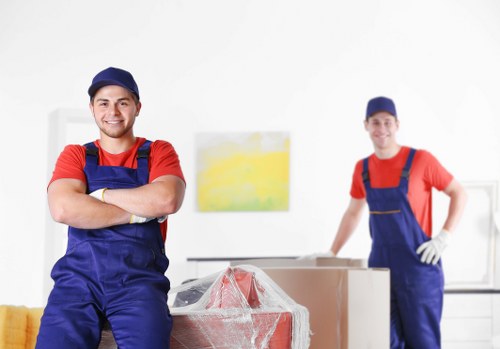 Health and safety is central to every professional house move, office relocation, and storage transfer. A responsible removal company must protect workers, clients, property, and the public by identifying risks before any lifting, loading, or transport begins. This policy sets out the standards expected from teams working in domestic and commercial removals, with a clear focus on preventing injury, reducing damage, and ensuring safe working practices at every stage of the job.
All staff involved in removals are expected to follow safe systems of work, use equipment correctly, and report hazards without delay. The company will maintain a proactive safety culture where planning is not treated as an extra task but as a core responsibility. Every move should begin with a risk assessment that considers access routes, load weight, fragile items, weather conditions, traffic exposure, and the needs of vulnerable people or specialist equipment.
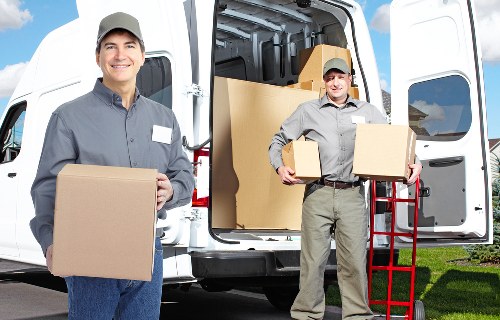 Supervisors must confirm that employees are physically fit for the duties assigned to them and trained in correct manual handling techniques. No item should be lifted without considering its weight, shape, grip, and destination. Where necessary, mechanical aids such as trolleys, straps, dollies, ramps, and lifting blankets should be used to reduce strain and improve control. Team members must never attempt unsafe lifts simply to save time.
Core Responsibilities
Managers are responsible for ensuring that all equipment is maintained in safe working order and inspected regularly. Vehicles used by a removals company must be roadworthy, clean, and loaded in a way that prevents shifting during transit. Drivers should complete checks on tyres, brakes, lights, mirrors, fuel levels, and load security before departure. Any defect that could affect safety must be reported immediately and resolved before the vehicle is used again.
Staff must wear appropriate personal protective equipment where the task demands it. This may include gloves, safety footwear, high-visibility clothing, back supports where clinically recommended, and dust masks when handling soiled or dusty items. PPE is not a substitute for good practice, but it adds an additional layer of protection. The company will ensure that workers understand when and how to use each item properly.
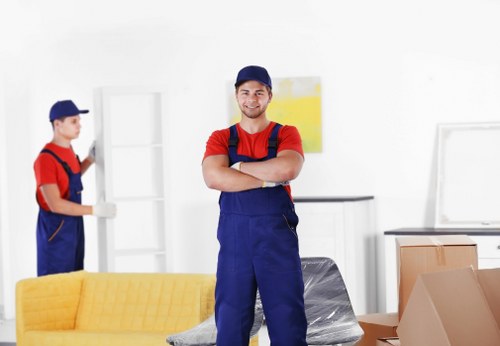 Work areas should be kept clear and organised at all times. Households, offices, corridors, stairwells, and loading zones can quickly become crowded during a move, increasing the chance of slips, trips, and collisions. Items should be stacked securely, pathways should remain unobstructed, and broken packaging should be removed promptly. Good housekeeping supports safe movement and helps the team maintain control in busy environments.
Risk Assessment and Safe Working Practices
Before any job begins, the team should assess the site for hazards such as narrow stairs, low ceilings, uneven flooring, poor lighting, trailing cables, and restricted parking access. Where a danger cannot be removed, it must be managed through planning and supervision. For example, a heavy item may need to be dismantled, moved by two or more people, or transported using a ramp rather than carried by hand. Risk control measures must be practical and communicated clearly to everyone involved.
Communication is essential during loading and unloading. Crew members should use clear instructions, confirm understanding, and avoid rushing. A single person should coordinate each lifting task so that movement is controlled and predictable. Removal companies must also ensure that children, pets, visitors, and bystanders are kept away from active work areas whenever possible. This helps prevent accidental injury and allows the team to work more efficiently.
Special care is required when handling fragile, valuable, or hazardous items. Glass, mirrors, electronics, artwork, and appliances should be packed and moved using appropriate materials and methods. Dangerous goods, such as chemicals, batteries, pressurised containers, and flammable substances, must be identified early and handled in line with applicable safety requirements. If an item cannot be moved safely, the job must be paused until a safer solution is agreed.
Training, Incident Reporting, and Welfare
Training is a vital part of safe operations. All new employees should receive induction covering manual handling, vehicle safety, emergency procedures, risk awareness, and the correct use of moving equipment. Refresher training should be provided regularly so that skills remain current. A well-trained removal team is more likely to recognise hazards early and respond correctly when conditions change during a job.
Any accident, near miss, injury, or property damage must be reported as soon as possible. The company will investigate incidents to identify root causes and prevent repetition. Reports should be factual, timely, and free from blame. Lessons learned will be used to improve future procedures, update assessments, and strengthen safe working methods across all operations.
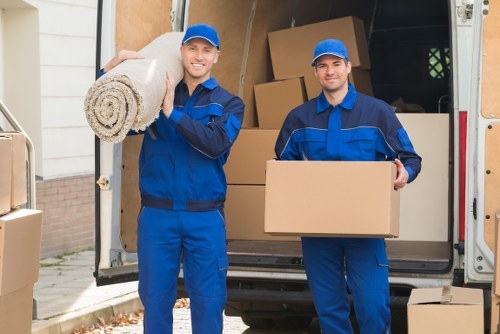 Worker welfare is also part of the policy. Removal work can be physically demanding, so rest breaks, hydration, and reasonable scheduling are important. Teams should not be expected to work at a pace that compromises safety. Fatigue, stress, and poor concentration increase the likelihood of mistakes, so supervisors must monitor workloads and adjust plans when needed. Welfare measures support both performance and protection.
Compliance and Continuous Improvement
The company will review this policy regularly and update it when working methods, equipment, or legal expectations change. Feedback from internal audits, incident trends, and operational reviews will be used to improve standards. A good moving service should never treat safety as fixed; it must evolve with experience, technology, and customer needs.
All employees are expected to cooperate with safety procedures and challenge unsafe behavior if they see it. This includes refusing to continue with a task that presents a serious and uncontrolled risk. Safety is a shared responsibility, and everyone has the right to work in an environment where hazards are addressed promptly and professionally.
 By following this policy, removal companies can deliver reliable services while protecting people, property, and reputation. Safe planning, correct lifting, well-maintained equipment, and strong communication create a professional standard that supports every successful move. Health and safety is not a separate function; it is the foundation of responsible removals work.