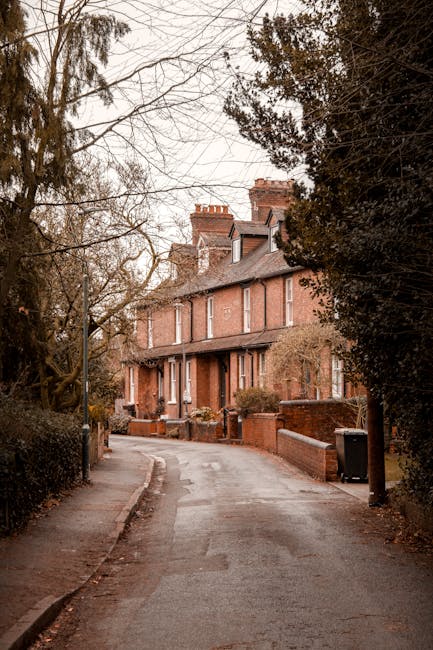
Wimbledon Village removals checklist for period homes
Moving from a period property in Wimbledon Village is not the same as moving from a modern flat with wide halls and an elevator that actually works. Old floors creak, staircases narrow, door frames can be awkwardly delicate, and every room seems to have one more odd-shaped corner than you remembered. That is exactly why a Wimbledon Village removals checklist for period homes matters: it helps you protect the building, your belongings, and your sanity on the day. If you are planning a move in one of the area's older houses, this guide walks you through the practical steps, the common traps, and the small details that make a surprisingly big difference.
Truth be told, the best moves are rarely the ones where everything goes perfectly. They are the ones where the problems were spotted early, dealt with calmly, and never got the chance to grow teeth. Let's make this one of those moves.
Table of Contents
- Why this checklist matters
- How the process works in practice
- Key benefits and practical advantages
- Who this is for and when it makes sense
- Step-by-step guidance
- Expert tips for better results
- Common mistakes to avoid
- Tools, resources and recommendations
- Law, compliance, standards, or best practice
- Options, methods, or comparison table
- Case study or real-world example
- Practical checklist
- Conclusion
- Frequently asked questions
Why Wimbledon Village removals checklist for period homes Matters
Period homes bring character, but they also bring quirks. In Wimbledon Village, many properties have been altered over time, which means walls may be uneven, stairs steeper than expected, and access tighter than a quick look suggests. A removals checklist keeps those quirks from turning into damage, delays, or last-minute panic.
The important thing to understand is that older properties are often more vulnerable to scuffs, chips, and pressure damage than newer builds. Plaster can be fragile. Banisters can mark easily. Original floorboards may scratch if heavy furniture is dragged rather than lifted. None of this is dramatic on its own, but together it can become expensive and stressful very quickly.
A good checklist also helps with planning around real-world conditions. Wimbledon Village roads can be busy, parking can be awkward, and access for a larger vehicle may need thought well before moving day. If you are comparing services and deciding what level of help you need, it is worth looking at the broader range of removal services rather than assuming one-size-fits-all will do the job.
Expert summary: period-home removals are less about brute force and more about sequence, protection, and communication. The right checklist makes sure the team, the property, and the timing all line up before the first box is lifted.
How Wimbledon Village removals checklist for period homes Works
Think of the checklist as a control system. It turns a messy, emotional day into a set of small decisions made in the right order. Instead of trying to remember everything while surrounded by half-packed cupboards and a kettle that has somehow vanished, you work through the move stage by stage.
In practice, the process usually starts with a walk-through of the property. You note the width of hallways, the shape of staircases, awkward turns, low ceilings, and any fragile finishes. Then you decide what needs extra wrapping, what should be dismantled, and which items may need specialist handling. That might include antiques, mirrors, large wardrobes, pianos, or simply a sofa that looked reasonable in the showroom and now appears to have been designed by a minor trickster.
From there, the move becomes a planning exercise. The packing approach, the number of people required, the vehicle size, and the access arrangements all need to align. If you are arranging a home move, a page like home moves can help you understand how domestic relocation services are typically structured. And if you want a sense of the company behind the service, you can also look at the about us page for background.
On the day itself, the checklist supports a calm sequence: protect floors, load the fragile items first or last depending on the plan, keep pathways clear, and confirm nothing is left behind in lofts, sheds, or cellars. Sounds simple. It rarely is, but that is exactly why preparation helps.
Key Benefits and Practical Advantages
The biggest benefit is damage prevention, but that is only the beginning. A period property move can be smoother, faster, and less disruptive when the checklist is properly used. You also gain a clearer sense of what should happen when, which reduces the "where is that box?" chaos that tends to arrive around late afternoon.
- Less risk to original features: floors, skirting boards, coving, stair rails, and plaster finishes are all easier to protect when the route is planned in advance.
- Better handling of awkward items: oversized wardrobes, tables, and fragile pieces can be measured and assessed before the team arrives.
- Fewer delays: if parking, lift access, or loading restrictions are sorted early, the move can flow instead of stalling.
- More confidence for everyone involved: when the plan is clear, you do not need to keep improvising under pressure.
- Lower chance of avoidable costs: a chipped console table or scuffed hallway can become a nuisance to repair. Better to prevent it.
There is also a psychological benefit. You sleep better when the move has structure. It is a small thing, but on the night before moving day, a bit of order feels wonderful.
If part of the move involves decluttering before you go, that can lighten both the physical load and the mental one. A useful companion read is decluttering before moving, which pairs neatly with a period-home checklist.
Who This Is For and When It Makes Sense
This checklist is for anyone moving out of, or into, a period home in Wimbledon Village where the building itself deserves as much attention as the boxes. That could mean a Georgian terrace, a Victorian family house, an Edwardian conversion, or a carefully maintained older property with original features.
It makes particular sense if any of these apply:
- you have narrow staircases or tight landings
- your home contains antiques, framed art, mirrors, or sentimental furniture
- you need to protect original flooring, decorative plaster, or old joinery
- you are moving on a tight schedule and cannot afford wasted time
- you expect parking or access to be tricky
- you are combining the move with storage, packing help, or furniture disposal
It also helps if you are deciding between a full-service move and a lighter-touch option. For some households, a team that handles packing as well as transport is worth it. For others, a smaller-scale option makes more sense. If that is where you are at, the pages on packing and unpacking services and man and van can be useful starting points.
In our experience, homeowners with period properties tend to feel most relieved once they stop thinking in terms of "moving house" and start thinking in terms of "protecting a building while relocating its contents." That shift makes the whole thing feel more manageable. Oddly calming, really.
Step-by-Step Guidance
1. Survey the property properly
Start with a measured walk-through. Not a quick glance. Check door widths, stair turns, ceiling heights, basement steps, loft ladders, and any narrow points where furniture could catch. If there is a large wardrobe, sofa, or dining table that has made you swear under your breath even once in the past, measure it again.
Take note of fragile areas: polished floors, original tiles, painted woodwork, stained-glass panels, and old plaster. These details influence how the team should wrap, lift, and route each item.
2. Decide what stays, what goes, and what needs dismantling
Period-home moves often go better when furniture is dismantled before move day rather than on the doorstep at 8:15 in the morning. Beds, wardrobes, and shelving units may travel more safely in parts. If an item is valuable or fragile, make that decision early rather than at the last minute.
This is also the stage to decide whether items should be moved, stored, or disposed of. If there is furniture you no longer need, the option of a furniture pick up can save time and reduce clutter.
3. Plan parking and loading access
Access can make or break the day. Large vehicles need space, and period streets are not always forgiving. If parking is likely to be tight, plan where the vehicle will stop, how long loading is expected to take, and who will manage doorways and carrying routes. A few minutes spent here can save a much longer wait later.
This is where clear communication with your removals team matters. You do not want anyone guessing where the van can safely sit while your best lamp is balanced in the hallway. That way madness lies.
4. Protect the house before anything moves
Put floor protection in place first. Then protect corners, banisters, and any points where furniture may brush against the property. On older homes, even a lightweight item can leave a mark if it catches the edge of a bannister or scrapes across a painted surface.
Extra care should be given to entrances and turning points. These are the spots where accidents happen most often because everyone is concentrating on the object and not the surrounding finish.
5. Pack room by room with a clear system
Use a room-based packing system, and label boxes clearly. Period homes often have more specialist items than modern flats: ornaments, books, records, artwork, delicate mirrors, heavier fireplaces accessories, and the odd mystery drawer that nobody opens except during a move. Keep similar items together and do not overfill boxes just because there is space for "one more thing." There never is, actually.
If you want packing support, a structured service such as packing and unpacking services can be a sensible choice, especially when fragile items are involved.
6. Create a fragile-items plan
Separate fragile and valuable pieces from the general load. That includes glass, ceramics, lamps, framed art, antiques, and electronics. Decide who handles them, when they are loaded, and whether they travel in a dedicated section of the vehicle.
A small but useful tip: keep a "first night" box with essentials such as kettle supplies, basic tools, medication, chargers, and toiletries. It sounds obvious, but people forget this all the time, then spend the first evening opening ten boxes looking for one mug. Not ideal.
7. Do a final room-by-room sweep
Before the vehicle leaves, check cupboards, lofts, under sinks, behind doors, and storage spaces. Period homes often have tucked-away spaces that are easy to miss. Confirm keys, meter readings if needed, and anything that belongs with the property rather than the move.
A final walk-through is also your chance to spot a loose shelf, an item left on a windowsill, or a box that was meant to go but somehow got hidden behind a chair. It happens more than people admit.
Expert Tips for Better Results
Small decisions can make a large difference on moving day. That is the bit people often underestimate.
- Use furniture blankets and corner protectors generously: period homes are less forgiving than new-build spaces. Protection is cheap compared with repairs.
- Take photos before dismantling: especially for beds, wardrobes, and shelving. Reassembly becomes much easier later.
- Keep hardware together: screws, brackets, and bolts should be bagged and labelled. Tape the bag to the relevant furniture piece if needed.
- Prioritise timing: early starts are often kinder in busy residential streets. Morning light helps too, especially when checking for marks or damage.
- Think vertically as well as horizontally: tall items may need to be tilted, rotated, or carried in a specific order through narrow spaces.
One more thing: if you have a particularly prized item, tell the removals team before the move begins, not half-way through when everyone is already sweaty and committed. You will get a better result. Simple as that.
For long-distance or mixed-load moves, you might also compare house removalists with more flexible options such as man with van removal. The right choice depends on volume, access, and how much handling your belongings need.
Common Mistakes to Avoid
Most moving problems are not dramatic disasters. They are small oversights that compound. Here are the ones that catch people out most often.
- Underestimating furniture size: a sofa that fits in the lounge may not make the turn on the staircase.
- Leaving access planning too late: parking confusion can turn a neat schedule into a slow queue of frustration.
- Packing valuables with general household items: fragile items deserve separate handling.
- Skipping floor protection: this is one of the easiest mistakes to avoid, and one of the most regretted.
- Not labelling boxes clearly: "miscellaneous" is not a helpful label. It just spreads the chaos.
- Forgetting storage or disposal: moving everything at once is not always practical, especially in a period property where space is already tight.
There is also a subtler mistake: assuming all removals are alike. They are not. A period home asks more of the team, and if the plan does not reflect that, you may end up improvising when you should be moving.
Tools, Resources and Recommendations
You do not need a warehouse of equipment, but a few practical tools make the process much easier. The usual essentials include strong boxes, tape, marker pens, furniture blankets, stretch wrap, floor covers, labels, basic tools, and gloves. A dolly or sack truck can help too, though it needs to be used carefully on uneven surfaces and stairs.
For larger household moves, it is also worth thinking about the vehicle type and loading method. Some moves suit a standard removal van, while others may need a bigger moving truck or a more flexible man and van removals setup. The right fit depends on access, volume, and how many trips would be required otherwise.
If sustainability matters to you, it is sensible to ask how packing waste, unwanted furniture, and reusable materials will be handled. A page such as recycling and sustainability can help you understand the company's approach to re-use and disposal.
And if you want to understand pricing structures before committing, review pricing and quotes carefully. The most useful quote is the one that reflects your actual access, volume, and handling needs, not a vague guess that looks appealing at first glance.
Law, Compliance, Standards, or Best Practice
For most domestic moves, the key issue is not legal complexity so much as good practice and sensible risk management. That said, there are some areas that deserve attention.
Removal firms should have appropriate insurance in place, especially where fragile items, property damage, or loading risks are involved. If you are comparing providers, read their insurance and safety information carefully. The details matter. If a company cannot explain how it protects your belongings and the property itself, that is a sign to slow down and ask more questions.
Health and safety also matters in a period home because older staircases, tight access points, and uneven surfaces create very real manual-handling risks. Good teams plan lifting routes, avoid rushed carrying, and reduce the chance of trips and impacts. You can review a provider's health and safety policy to see whether they take those responsibilities seriously.
There is also a basic consumer best-practice point here: make sure you understand the terms, what is included, and how any claims process works if something goes wrong. Pages like terms and conditions and complaints procedure are not thrilling reading, granted, but they are useful. Boring, yes. Useful, absolutely.
If your move includes paying online or arranging a deposit, it is sensible to check the company's payment and security information too. Peace of mind is worth a few minutes of careful reading.
Options, Methods, or Comparison Table
Not every period-home move needs the same level of support. Here is a simple comparison to help you choose the right approach.
| Method | Best for | Pros | Limitations |
|---|---|---|---|
| Self-managed move | Smaller moves with straightforward access | Lower direct cost, full control | More physical work, more risk of missed details, more stress on the day |
| Man and van | Compact loads, flexible timing, lighter access needs | Quick to arrange, practical for partial moves | May not suit large period furniture or multiple fragile items |
| Full house removals | Whole-home relocations and complex access | More support, better coordination, less heavy lifting for you | Usually costs more, needs firmer planning |
| Packing plus removals | Busy households, fragile collections, time-sensitive moves | Stronger protection, less last-minute scrambling | Requires earlier booking and clear instructions |
In Wimbledon Village, the best option is often the one that suits the property first and the contents second. That order matters. A large vehicle is no help if it cannot safely access the road, and an inexpensive service is not a bargain if it damages the staircase on the way out.
Case Study or Real-World Example
Here is a realistic example. A family moved from a Victorian semi in Wimbledon Village into a smaller home nearby. The house had narrow stairs, a polished hallway, and two wardrobes that had not been moved in years. They also had several framed prints, a heavy dining table, and a sideboard with sentimental value.
Instead of treating it as a generic move, they did a proper survey a week ahead of time. One wardrobe was dismantled. The dining table legs were removed and bagged. Floor protection was laid before anything was carried. They also arranged a clearer loading route and kept a first-night box in an accessible place rather than buried under bedding and random cables.
The result? Less scrambling, fewer awkward pauses, and no last-minute "can this fit round the corner?" drama. The move still felt like a move, of course. There was dust, a bit of noise, and that familiar end-of-day tiredness. But it stayed controlled. That is what good preparation does.
If you are still weighing up which style of service suits you best, you may also find the broader house movers information helpful when comparing support levels for a more complicated home move.
Practical Checklist
Use this as your working list in the days leading up to the move. Print it, scribble on it, stick it to the fridge, whatever works.
- Measure hallways, staircases, doorways, and awkward turns
- Identify fragile surfaces and protect them in advance
- Decide which furniture needs dismantling
- Book the appropriate size of vehicle and crew
- Confirm parking and loading arrangements
- Label boxes by room and priority
- Separate fragile, valuable, and sentimental items
- Prepare floor, banister, and corner protection
- Pack a first-night essentials box
- Set aside keys, documents, chargers, and medicines
- Check lofts, cellars, cupboards, and garden storage
- Review insurance, terms, and handling expectations
- Plan what to donate, store, recycle, or have collected
- Do a final walk-through before departure
Quick reality check: if a task feels "small enough to remember later," it is usually the task that gets forgotten. Ask me how we know. Better yet, just tick it now.
Conclusion
A Wimbledon Village removals checklist for period homes is not just about organisation. It is about respecting the property, reducing stress, and giving yourself a proper chance of a smooth move. Older homes ask for more planning because they deserve more care. Once you build that care into the process, everything gets easier: the loading, the handling, the unpacking, even the moment you finally shut the front door behind you for the last time.
Keep the checklist practical. Keep it honest. And do not let the move become a scramble when a little preparation can turn it into a calm, steady sequence instead.
Get a free quote today and see how much you can save.
And if all of this feels like a lot, that is normal. A period-home move is a bit of a dance, really - one step careful, one step practical, and then suddenly you are through it.
Frequently Asked Questions
What makes a period home move different in Wimbledon Village?
Period homes often have tighter access, older finishes, narrow stairs, and more fragile surfaces than modern properties. That means the move needs more planning around protection, handling, and timing.
Do I need a specialist removals service for a period property?
Not always, but it helps if the team has experience with awkward access, delicate interiors, and larger furniture. If your property has original features or difficult staircases, specialist experience is a real advantage.
How far in advance should I start the checklist?
Two to four weeks ahead is sensible for most moves, and earlier if you have a large property or unusual furniture. The more complex the home, the earlier you should start.
Should I dismantle furniture before moving day?
If it helps the item travel safely and fit through narrow routes, yes. Beds, wardrobes, and large shelving units often move better when taken apart.
What should I protect first in a period home?
Prioritise floors, bannisters, corners, painted woodwork, and any decorative plaster or fragile finishes. Those are the areas most likely to show damage quickly.
Is a man and van service enough for a Wimbledon Village move?
It can be, if the load is small and access is straightforward. For full-house moves, heavy furniture, or fragile items, a larger and more structured removals service may be the better choice.
How do I reduce the risk of damage to original flooring?
Use proper floor coverings before carrying items through, and avoid dragging anything. Clear pathways and careful lifting make a big difference on older surfaces.
What should go in a first-night box?
Include kettle essentials, mugs, tea or coffee, toiletries, phone chargers, medication, toilet paper, a basic tool kit, and any important documents you might need quickly.
How do I handle antiques or fragile artwork?
Keep them separate from general household boxes, use proper wrapping, and make sure the removals team knows they need careful handling. For especially valuable items, ask how they should be loaded and secured.
Can I arrange disposal or collection of unwanted furniture?
Yes, and it is often worth doing before the move. If you have bulky items you no longer need, a furniture collection or pick-up can reduce the load and free up space.
What should I check in the removals company paperwork?
Look for insurance details, handling responsibilities, the scope of service, payment terms, and any complaints or claims process. It is not glamorous reading, but it protects you.
What is the most commonly forgotten task on moving day?
People often forget lofts, cupboards, sheds, and under-stairs storage. Those spaces quietly swallow keys, tools, paperwork, and one or two "important" things you only remember after the van has gone.