Kensington High Street removals tips near Earl Court station
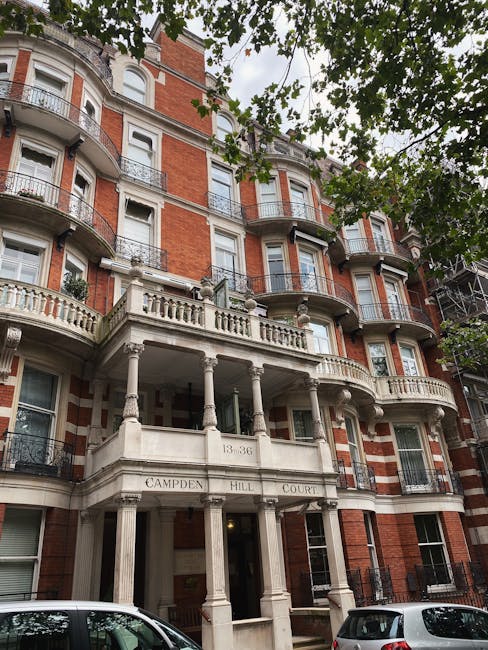
If you are planning a move around Kensington High Street removals tips near Earl Court station, the first thing to accept is this: the move itself may be straightforward, but the streets rarely are. Between tight access, busy traffic, awkward parking, and the simple fact that London keeps moving whether you are ready or not, a good plan makes all the difference. This guide brings together practical, local-minded advice so you can stay organised, avoid the usual headaches, and feel more in control on moving day.
Whether you are moving a flat, a townhouse, or a small office, the details matter. Are your boxes labelled clearly? Can the vehicle stop close enough to the property? Do you need extra hands, packing help, or a smaller vehicle for a narrow street? Those are the questions that tend to decide whether the day feels calm or chaotic. Let's make it the calmer one.
Why Kensington High Street removals tips near Earl Court station Matters
A move in this part of West London is shaped by the location as much as the property itself. Kensington High Street and the surrounding roads can be busy, narrow in places, and hard to predict. If you are moving near Earl Court station, you also have to think about pedestrian flow, busier junctions, and the kind of stop-start traffic that can turn a 20-minute load into a slow, careful operation.
That is why location-specific removals tips matter. A generic moving checklist is useful, sure, but it will not tell you whether a full-sized lorry is realistic for your street, whether a man and van setup is more sensible, or whether your building requires a stricter booking window. In our experience, the people who prepare for the local conditions end up with fewer surprises. Simple as that.
There is also the human side. Moving day is already noisy, slightly emotional, and usually runs on too little sleep. If you are juggling keys, lift access, a neighbour who needs to get out, and a van waiting on the corner, a bit of local knowledge feels like gold. Truth be told, that bit of calm is often what people remember afterwards.
Expert summary: for moves near Earl Court station, the winning formula is usually not "more effort", but smarter effort - the right vehicle, a realistic schedule, clear access planning, and fewer last-minute decisions.
How Kensington High Street removals tips near Earl Court station Works
At a practical level, the process is about matching the move to the area. You start by checking the property access, the amount of furniture, the lift or stair situation, and how long loading is likely to take. Then you decide the service style that fits best: a full house move, a man with a van arrangement, a moving van for smaller loads, or something more tailored for office relocation.
The local area influences almost every step. For example, if a building has limited parking or a narrow entrance, the move often works better when items are carried in smaller batches. If the property sits on a busier stretch of Kensington High Street, you may need tighter timing and more efficient packing. If you are closer to Earl Court station, passenger footfall and roadside activity can make awkward loading more likely at certain times of day.
Most removals here work best when they are treated like a sequence, not a single event:
- Survey the property and note access issues.
- Estimate the load realistically, not optimistically.
- Choose the right vehicle and crew size.
- Pack and label by room or priority.
- Confirm timings, parking, and building rules.
- Keep essentials separate so your first night is manageable.
That sequence sounds obvious, but people skip parts of it all the time. Then they wonder why the sofa is still on the pavement at 11:30am. Happens more than you'd think.
Key Benefits and Practical Advantages
Good removals planning is not just about saving time. It changes the whole experience. A well-organised move near Earl Court station can reduce stress, lower the risk of damage, and help you avoid unnecessary waiting charges or awkward access issues.
- Less time wasted: clear packing and proper route planning mean fewer delays at the curb.
- Lower stress: when every box has a place, the day feels more manageable.
- Reduced damage risk: the right loading order protects fragile items and heavier furniture.
- Better use of labour: a suitable crew size stops people standing around or overworking.
- Cleaner handover: if you are leaving a flat or office, a more organised move makes the final check much easier.
There is also a cost advantage, even if it is not always obvious at first. A move that is planned properly tends to be faster, and faster usually means fewer extra hours. You are not paying for confusion, basically. That alone is worth thinking about.
If you want to compare service styles, it can help to look at broader options such as removals, home moves, or a more flexible man and van setup depending on what you are shifting and how much access space you really have.
Who This Is For and When It Makes Sense
This guide is for anyone moving in or around Kensington High Street, especially if Earl Court station is part of your route or reference point. It is especially useful if you are:
- moving from a flat with stairs or a compact lift
- relocating a small household with furniture, clothes, and fragile items
- moving into a managed building with access rules
- handling a studio or one-bedroom move and want to keep things lean
- moving an office or small work space with equipment to protect
- trying to avoid bringing a huge vehicle into a tight area
It also makes sense if you are deciding between a full removal team and a smaller support service. For some people, a full crew is the right call. For others, a man with van or moving van option is more practical and much easier to schedule around local traffic.
If you are asking yourself, "Do I really need the bigger service?" - often the answer depends on access, not just volume. A small move through a difficult building can be more demanding than a larger move from a ground-floor property. Funny how that works.
Step-by-Step Guidance
Here is a simple way to approach the move without turning your week into a mess.
1. Start with an honest inventory
Walk through the property and list what is actually going. Not what you think might go. Not what you hope will fit. What is going. Measure bulky items if needed, especially wardrobes, beds, sofas, desks, and appliances. One quick tape measure session can save a lot of guesswork later.
2. Check access from both ends
Look at the source property and the destination. Is there lift access? Are the stairwells narrow? Can a vehicle stop close enough? Is there a loading bay, timed access, or resident permit issue? Near Earl Court station, these details can matter more than the number of boxes.
3. Choose the right moving method
For larger homes, a full crew and a suitable vehicle may be the sensible choice. For smaller moves, a lighter approach often works better. If you are unsure, compare practical options like house removals, movers, or even removals near me if you want a service that can respond quickly and locally.
4. Pack in the order you will need things
Pack essentials last, but keep them easy to reach. Think bedding, chargers, kettle, toiletries, medication, and basic cleaning items. If you can get through the first evening without digging through ten boxes, you are doing well.
5. Label more clearly than you think you need to
Use room names, priority notes, and fragile markers. "Kitchen - glass - top load only" is far better than "misc". Your future self will thank you, usually right after the van has left.
6. Confirm the practical details the day before
Check the start time, parking plan, keys, contact numbers, and whether the building manager needs anything. If there is a delay, you want it to be a small delay, not a day-spoiling one.
Expert Tips for Better Results
These are the little things that tend to separate a smooth move from a slightly frantic one.
- Move early if you can. Morning starts usually give you more room to absorb delays. By late afternoon, everyone is tired and traffic can feel heavier.
- Protect high-touch items first. Mirrors, table tops, TV screens, and shelving get scuffed easily when they are left until the end.
- Keep one "do not load" zone. That is the pile for passports, keys, chargers, snacks, and anything you need before bedtime.
- Use small boxes for books. Big boxes full of books become unwieldy very quickly. That is a lesson many people learn the hard way.
- Take photos before disassembly. Cable setups, shelving, and furniture fittings are much easier to rebuild when you can see how they were arranged.
- Be careful with assumptions about parking. A bay that looks free may not be free in the way you need it to be. Double-check, especially in busier parts of Kensington.
If you are arranging a full-service move, it is worth reviewing the company's practical standards too. Pages like health and safety policy, insurance and safety, and packing and unpacking services give a useful sense of how seriously the job is handled.
A small aside: I once watched a team spend nearly as long untangling a dining chair from a too-tight hallway as they did loading the rest of the flat. Not ideal. Good planning would have saved fifteen minutes and a few sighs.
Common Mistakes to Avoid
Most moving problems are not dramatic. They are usually small errors that stack up. The good news? They are easy to avoid once you know what to look for.
- Underestimating the load: people often forget the hidden volume of books, kitchenware, and storage items.
- Ignoring building rules: some properties need advance notice or specific arrival windows.
- Packing too late: last-minute packing leads to broken items and forgotten essentials.
- Choosing the wrong vehicle: too small causes multiple trips; too large can be awkward on restricted streets.
- Not confirming access at the new property: it is a pain when the crew arrives and the lift is out.
- Mixing essentials into general boxes: then you spend the first night hunting for a toothbrush. Not fun.
Another common issue is assuming every removal is the same. A residential move, an office move, and a furniture pick-up all have different rhythms. If you are dealing with office items, specialist support such as office removals or broader commercial moves may fit better than a standard household setup.
Tools, Resources and Recommendations
You do not need fancy gear, but a few basics make life much easier. A decent tape measure, strong labels, packing tape, marker pens, furniture blankets, and a trolley or sack truck can save a lot of effort. If the move is sizeable, moving straps and mattress covers are also worth considering.
It is also smart to think through your booking and payment process early. Checking the company's pricing and quotes, payment and security, and terms and conditions pages helps you understand what is included and what is not. That is the sort of admin people tend to skip until they wish they had not.
For smaller or one-off collections, a furniture pick-up service may be the simplest route. For more general transport, a removal van, removal van setup, or removal truck hire can be more suitable, depending on volume and access.
Law, Compliance, Standards, or Best Practice
For a local London move, you do not usually need to become a law expert, but it helps to understand the practical standards involved. Building access instructions, parking restrictions, lift booking rules, and property handover requirements are all part of normal moving practice. Some elements may also be shaped by lease conditions or building management rules, so check those early.
From a service perspective, trustworthy removal companies should be clear about handling, care, and liability. That does not mean every risk disappears. It means the process should be transparent and the service should be handled with reasonable professional care. If you are comparing providers, look for clarity on safety, insurance, complaints handling, and the way they manage customer data and payments. The relevant pages on the site, such as about us, complaints procedure, and privacy policy, are useful signs that the business is thinking about those responsibilities properly.
For sustainability-minded customers, moving is also a good moment to reduce waste. Donating usable items, recycling responsibly, and avoiding unnecessary throwaway packing are all sensible best practices. The page on recycling and sustainability is worth a look if you want to move more cleanly, not just more quickly.
Options, Methods, or Comparison Table
Choosing the right move style depends on access, budget, load size, and how much help you want on the day. Here is a simple comparison to make that easier.
| Method | Best for | Strengths | Watch-outs |
|---|---|---|---|
| Full house removals | Larger homes, family moves, heavy furniture | More support, faster loading, better for complex moves | Needs more planning and usually more vehicle space |
| Man and van | Small to medium moves, flats, student-style relocations | Flexible, practical, often easier near busy streets | May need multiple trips for bigger loads |
| Moving van | Compact local moves or single-property transfers | Suits tight access, efficient for modest loads | Capacity may be limited if you underestimate volume |
| Office removals | Desks, IT kit, files, small workspaces | Useful for organised, planned business moves | Needs careful timing and equipment handling |
If you are unsure, think access first, then volume. A modest amount of furniture in a difficult building can call for a different approach than a larger move from a ground-floor property. That one detail changes everything, honestly.
Case Study or Real-World Example
Here is a realistic example. A couple moving from a second-floor flat near Earl Court station had a sofa, a bed, several book boxes, and a few fragile kitchen items. On paper, it looked like a straightforward move. In practice, the building entrance was tight, street stopping space was limited, and the lift could not take the sofa.
Instead of forcing a larger vehicle and hoping for the best, they planned for a smaller van, early arrival, and a staged carry-down. The sofa was moved first while the street was quieter. Fragile boxes were loaded separately. The essential items bag stayed with them, not in the vehicle. It took a bit longer than the first estimate, but the job stayed calm and tidy.
What did they get right? They treated access as the main issue, not furniture count. What would have gone wrong if they had not? Probably a longer wait, extra lifting, and a much more stressful afternoon. It really is that simple.
Practical Checklist
Use this as a final pre-move check. If you can tick most of it off, you are in good shape.
- Inventory completed and bulky items measured
- Access checked at both addresses
- Parking or stopping plan confirmed
- Lift or stair arrangements understood
- Boxes clearly labelled by room
- Fragile items packed securely
- Essentials bag kept separate
- Keys, contact numbers, and building details ready
- Payment, booking, and service details reviewed
- Old property left tidy for handover
- Recycle, donate, or dispose of unwanted items responsibly
A small note: if you have not yet booked, it can help to look at house movers or house removalists if your move is residential, or office relocation services if you are moving a workplace. Getting the right fit is half the battle.
Conclusion
Kensington High Street removals tips near Earl Court station come down to one clear idea: respect the location, and the location will be easier to work with. When you plan for access, traffic, vehicle size, packing order, and the pace of the day, you give yourself a much better chance of a smooth move. No drama, fewer delays, and a lot less box-related chaos in the hallway.
It helps to be realistic, too. The best move is not always the fastest-looking one on paper. Sometimes it is the one that gives you room to breathe, room to carry, and room to land safely at the end of the day. That is worth a lot, especially in a busy part of London where every minute seems to count.
If you are comparing providers or planning your next step, use the practical pages on removals, pricing, safety, and service options to make a grounded decision rather than a rushed one. A calm move is rarely accidental.
Get a free quote today and see how much you can save.
And when it is all done, take a moment to enjoy the quiet. The kettle on. The first box opened. That slightly satisfying feeling when the worst part is finally behind you.
Frequently Asked Questions
What is the best removals option near Earl Court station for a small flat?
For a small flat, a man and van or moving van setup is often the most practical option. It is flexible, easier to position in tighter streets, and usually better suited to compact loads than a larger truck.
Do I need to book parking for a Kensington High Street move?
In many cases, yes or at least you should check whether stopping close to the property is realistic. Parking and loading rules can vary by street and building, so it is wise to confirm the arrangement before moving day.
How far in advance should I arrange removals in this area?
As early as you can, especially if you want a specific date or morning slot. Busy London areas can fill quickly, and more notice usually gives you better timing flexibility.
Is a full removal service better than a man and van?
It depends on the size of the move and how awkward the access is. A full removal service is better for larger homes or more complex moves, while a man and van can be a smart choice for smaller or quicker jobs.
What should I pack separately on moving day?
Keep your essentials separate: keys, ID, chargers, medication, toiletries, snacks, kettle items, and a change of clothes. It makes the first night much easier, and that matters more than people think.
How do I reduce the risk of damage during the move?
Use strong boxes, wrap fragile items well, and label them clearly. Disassemble furniture where sensible, protect surfaces, and load heavier items securely so lighter boxes are not crushed.
Are there special issues near Earl Court station I should think about?
Yes, mainly access and timing. Busier roads, pedestrian activity, and limited stopping space can all affect how the move runs, so local timing and vehicle choice matter a lot.
Can removals companies help with packing as well?
Many can, and packing support can be very helpful if you are short on time or dealing with fragile items. If you want less stress, this is one of those services that quickly earns its keep.
What if my building has narrow stairs or no lift?
Tell the removals provider in advance. Narrow stairs or no lift access can affect crew size, vehicle choice, and the overall schedule, so it should never be left as a surprise.
How do I know if I need office removals rather than home removals?
If you are moving desks, files, IT equipment, or business furniture, office removals or office relocation services are usually the better fit. They are designed around business timing and equipment handling.
What should I check in the removals company terms before booking?
Look at what is included, how payments work, cancellation expectations, and any conditions around access or waiting time. It is not the thrilling part of moving, but it can save real headaches later.
What is the simplest way to start planning a move in Kensington?
Start with an inventory, then check access and choose the right service type. Once those three things are clear, the rest of the move becomes much easier to organise.