Camden Town removals guide for narrow streets and parking
Moving in Camden Town can feel straightforward on paper and then suddenly become a very different story once the van turns into a tight street, a delivery bay is occupied, and someone's bike is chained exactly where you need space. That is why a Camden Town removals guide for narrow streets and parking matters so much. It is not just about lifting boxes. It is about access, timing, vehicle choice, and having a plan that works in a busy part of London where space is, let's face it, at a premium.
This guide walks you through the real-world stuff that makes or breaks a move in Camden: narrow roads, parking pressure, building access, loading strategy, and the small decisions that save time and stress. Whether you are moving a flat above a shop, a family home near a busy junction, or an office with limited access, you will find practical advice here that helps you move more calmly and more efficiently.
Expert summary: The best Camden moves are rarely the ones with the biggest vehicle. They are the ones with the best planning, the clearest parking strategy, and the right crew for the street in front of the property.
Table of Contents
- Why Camden Town removals guide for narrow streets and parking Matters
- How Camden Town removals guide for narrow streets and parking Works
- Key Benefits and Practical Advantages
- Who This Is For and When It Makes Sense
- Step-by-Step Guidance
- Expert Tips for Better Results
- Common Mistakes to Avoid
- Tools, Resources and Recommendations
- Law, Compliance, Standards, or Best Practice
- Options, Methods, or Comparison Table
- Case Study or Real-World Example
- Practical Checklist
- Conclusion
- Frequently Asked Questions
Why Camden Town removals guide for narrow streets and parking Matters
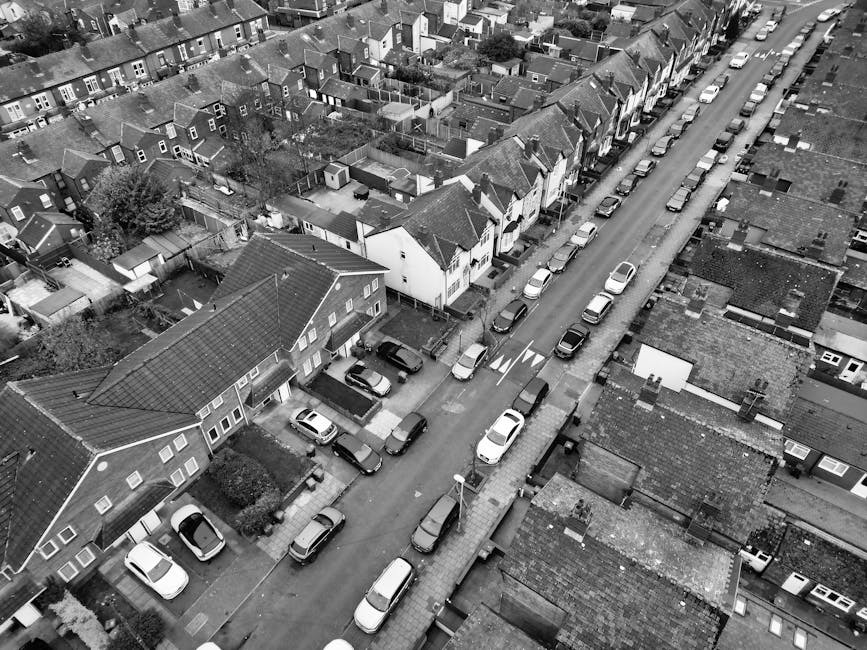
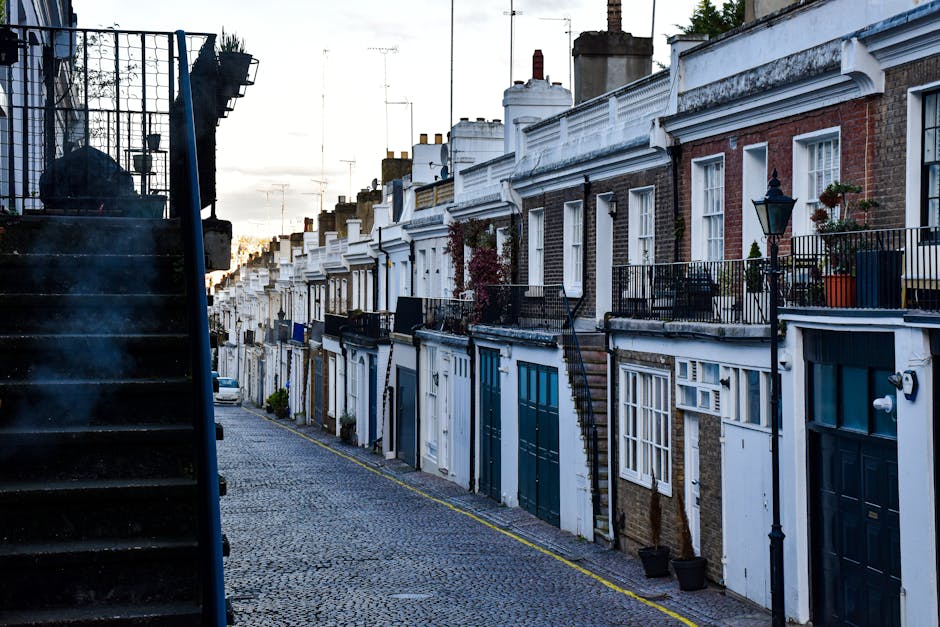
Camden Town has the kind of streets that can make a simple move feel oddly technical. Roads are often narrow, traffic can build quickly, and parking is rarely generous. Even if your actual property is only a short distance from a main road, the last 50 metres can determine how easy the whole day becomes. That matters because removals are already time-sensitive. Add poor access and you get delays, more lifting, extra risk of damage, and a lot more fatigue by lunchtime.
In practical terms, narrow streets create three common pressures. First, the vehicle may need to stop further away than expected. Second, the walking route from property to van becomes longer, which slows loading. Third, any obstruction - a parked car, refuse collection, roadworks, or a neighbour's courier van - can force a change of plan on the spot. That is where good removals planning earns its keep.
Parking is just as important as the physical carry. If the van cannot stop safely and legally close to the entrance, the team may need to use smaller runs, carry items in stages, or wait for a space to open up. None of that is ideal on a moving day. And no one wants to discover this after the sofa has already been wrapped and the mattress has been manoeuvred halfway down the stairs. Bit of a nightmare, to be fair.
For that reason, Camden removals need a more local, more measured approach than a generic move in an open suburban street. The goal is not simply to arrive. The goal is to arrive with a vehicle, crew, and timing plan that fits the street in front of you.
How Camden Town removals guide for narrow streets and parking Works
A good Camden Town move starts before moving day. The main work is understanding the access conditions around the property and then matching the service to those conditions. In many cases, this means choosing a smaller, more manoeuvrable vehicle, planning a loading point carefully, and scheduling the arrival time to reduce conflict with peak traffic or busy local parking periods.
Typically, the process looks something like this:
- Assess access. Check the width of the street, whether turning space is limited, and how close the van can realistically get to the entrance.
- Review parking options. Decide whether the van can wait legally nearby, whether short loading is possible, or whether a timed arrival is the best solution.
- Match the vehicle to the street. A smaller van is often easier to place than a large truck in a tight Camden road.
- Plan the carry route. Think about stairs, front steps, communal hallways, and how far items must travel from property to vehicle.
- Protect the load. Use blankets, straps, trolleys, and a sensible box plan so items are safe during the extra handling that tight access can create.
- Load efficiently. Heavy items first, fragile items protected, and the most awkward pieces placed with the exit route in mind.
That may sound obvious, but in the real world the difference between an organised move and a messy one is often these small access decisions. A van parked 20 metres closer can shave meaningful time off every trip. Multiply that by twenty or thirty runs and you can see why it matters.
If you are comparing moving options, a flexible man and van service can be especially useful for tighter streets where agility matters more than sheer capacity. For larger moves, a more structured team from the wider removal companies network may be better suited to coordinating access, loading and timing together.
Key Benefits and Practical Advantages
When a move is planned properly for Camden Town's narrow streets and parking challenges, you get more than just convenience. You reduce friction at every stage.
- Less wasted time. You spend less time circling for a space or carrying items from too far away.
- Lower risk of damage. Shorter, clearer carrying routes mean fewer bumps on doorframes, stair corners, and parked cars.
- Better crew efficiency. Movers can keep a steady rhythm rather than resetting every few minutes because the parking setup is awkward.
- Less stress for you. There is a noticeable difference between a move that feels in control and one that feels like it is being held together with hope and tape.
- More predictable costs. A smoother access plan can help reduce delays, overtime, and unnecessary extra handling.
There is also a quieter benefit: confidence. People often underestimate how much easier a move feels when the logistics have been thought through. You do not need to obsess over every detail, but you do need a plan that accounts for the street outside the front door.
If you are moving house, it may also be useful to explore home moves or the more specific house removals option, especially if you want a service designed around domestic access, furniture handling, and household packing patterns.
Who This Is For and When It Makes Sense
This guide is for anyone moving in or around Camden Town where access is not plain sailing. That includes people in terraced homes, purpose-built flats, converted buildings, upper-floor apartments, shared entrances, and commercial premises on busy roads.
It makes particular sense if any of these sound familiar:
- Your street is too narrow for easy two-way loading.
- Parking nearby is scarce, metered, or heavily used during the day.
- You have large furniture that will need careful manoeuvring.
- Your building has stairs, a tight entrance, or a small lift.
- You need a move at a specific time and cannot simply "wing it" on the day.
- You are moving an office and need access to remain calm, not chaotic.
Small households often benefit from a simple man with van arrangement, while larger family properties may suit house movers who can manage more inventory and more awkward access. For businesses, commercial moves and office removals are worth considering when timing, equipment and minimal downtime matter.
Truth be told, the earlier you recognise that your street is the issue, not just your stuff, the better the move usually goes.
Step-by-Step Guidance
1. Walk the route before the moving day
Start by standing outside the property and looking at the route from the likely parking point to the front door. Check the width of the pavement, the number of steps, any low walls, narrow gates, overhead branches, and whether the street bends or slopes. A five-minute walk-through can save a lot of muddled decisions later.
2. Measure your large items
Do not assume the sofa will "probably fit". Measure it. Measure wardrobes, beds, tables, and anything with a fixed frame. In Camden, where tight turns and stair angles are common, a few centimetres can make the difference between a clean move and an uncomfortable pause on the landing. You know the moment - everyone goes quiet, someone tilts the wardrobe slightly, and then there's a collective sigh.
3. Decide on the vehicle size early
Smaller can be better in Camden. A medium van or similar vehicle is often easier to position than a larger lorry, especially where the street is narrow or visibility is poor. That does not always mean bigger vehicles are impossible, but they require more careful planning and a realistic loading location.
4. Plan the timing with parking in mind
Early arrivals can help if parking is taken up later in the day, but the best time depends on the local street pattern, nearby businesses, school traffic, and resident parking demand. Avoid assuming that a quick arrival will automatically solve the problem. It might, or it might place you in the middle of the busiest hour.
5. Prepare a loading order
Pack and stack so the most useful items come off first at the other end. Put essentials separately. Keep fragile items clearly labelled. If access is tight, movers should not have to rummage through the van to find the kettle, charger, or the box with the bathroom basics in it.
6. Keep the entrance clear
On the day, every second counts when loading a narrow street. Move bins, pushchairs, plant pots, and anything else that clutters the route. If you live in a shared building, let neighbours know what is happening so the entrance stays usable.
7. Use the right support services
If packing is holding you back, consider packing and unpacking services. If you need help handling a flat move with furniture and stairs, a coordinated movers team is often the safest route. And if you need a vehicle-first option, a moving van or removal van can be a very practical choice for Camden's tighter access.
Expert Tips for Better Results
There are a few habits that make Camden moves much smoother. They are not glamorous, but they work.
- Book for realism, not optimism. If the street is tight, assume access will take longer than you would like.
- Use colour-coded labels. It is such a small thing, but in a cramped hallway it helps the crew keep momentum.
- Keep essentials separate. Keys, documents, chargers, medication, tea bags, toilet paper. The usual survival kit.
- Avoid overstuffed boxes. Heavy boxes are harder to manage up stairs and through awkward turns.
- Protect corners and banisters. In older Camden buildings, woodwork and walls can mark surprisingly easily.
- Confirm parking assumptions the day before. Do not rely on memory. Streets change, neighbours move cars, and deliveries happen early.
One practical tip that gets overlooked: if you have a very awkward piece, such as a large wardrobe or a wide sofa, tell the removals team about it before the day. Not after they are standing at the doorway with a slightly haunted expression. We have all seen that face. Nobody needs it.
If your move includes disposing of old items too, you may also need a separate plan for unwanted furniture. In that case, a dedicated furniture pick up can simplify the last stage rather than leaving bulky items to become an afterthought.
Common Mistakes to Avoid
The most common Camden removal mistakes are rarely dramatic. They are mostly the quiet, easy-to-make ones that create friction later.
- Choosing the wrong vehicle size. Too big for the street, too small for the load, or both. It happens.
- Ignoring parking restrictions. A quick stop that looks harmless can become a serious delay if the vehicle has nowhere lawful to wait.
- Underestimating stair access. Flats above shops, shared entrances, and split-level homes often take more time than expected.
- Packing without a plan. Random boxes slow the unload and make the first night far more annoying than it needs to be.
- Leaving access checks until moving day. By then, there is less flexibility and more pressure.
- Assuming the team will "just manage". Professional movers can do a lot, but they still need realistic conditions to work with.
Another classic one: forgetting that Camden traffic does not care about your moving schedule. Harsh, but true. If you can build a little buffer into the plan, you are usually better off.
Tools, Resources and Recommendations
You do not need a truckload of gadgets to move well in Camden, but a few tools and preparations make a huge difference.
| Tool or resource | Why it helps in Camden Town | Best use |
|---|---|---|
| Furniture blankets | Protects wood, paint, and corners during narrow carries | Sofas, tables, wardrobes, and awkward stair turns |
| Removal straps | Improves grip and control when lifting heavy items | Fridges, mattresses, bulky boxes, and tight hallways |
| Trolley or sack truck | Reduces repeated lifting where access allows | Longer carries between the van and property |
| Strong labels and markers | Makes unloading faster and less chaotic | Room-by-room packing and priority items |
| Pre-move inventory list | Helps track what is loaded and what still needs attention | Full house or office removals |
In many Camden moves, the smartest practical recommendation is to prioritise manoeuvrability over size. That usually means a service that can adapt to the street rather than forcing the street to fit the vehicle. If you want a straightforward local search starting point, removals near me can help you compare options that feel nearby and relevant. For broader service flexibility, the wider removals page is also useful when you are weighing different kinds of move support.
Law, Compliance, Standards, or Best Practice
For removals in Camden Town, compliance is mainly about acting safely, legally, and considerately. Exact parking permissions and loading arrangements can vary by street, building, and time of day, so it is wise to check local requirements and not assume that "just five minutes" is automatically acceptable. If a move involves a loading bay, controlled parking area, or access route near busy traffic, sensible planning becomes even more important.
Best practice usually includes the following:
- Safe loading and unloading. Vehicles should be parked where they do not create unnecessary danger to pedestrians or traffic.
- Clear communication. The customer, the removals team, and if relevant the building management should all understand the access plan.
- Appropriate insurance. It is worth checking that the moving provider has insurance arrangements suitable for the job and the type of goods being handled.
- Manual handling awareness. Heavy lifting in narrow spaces should be done carefully, with the right team and equipment.
- Respect for shared spaces. Communal hallways, shared entrances, and neighbours' access should be considered, not treated as a nuisance.
If you are choosing a provider, it is sensible to review their insurance and safety information, along with the wider health and safety policy and terms and conditions. These pages help you understand how the company approaches risk, responsibility, and customer expectations before moving day arrives.
Options, Methods, or Comparison Table
Different Camden moves call for different approaches. Here is a simple comparison that may help you decide.
| Option | Best for | Strengths | Limitations |
|---|---|---|---|
| Man and van | Small-to-medium moves, single flats, quick access jobs | Flexible, easier to position in tight streets | Less suitable for large inventories |
| Removal van | Standard home moves with moderate furniture | Good balance of capacity and manoeuvrability | May need careful scheduling for parking |
| Moving truck | Larger households or bulky loads where space permits | More carrying capacity, fewer trips | Harder to place in very narrow Camden streets |
| Full removal team | Family homes, complex access, multi-room properties | More manpower and handling support | Higher cost than a simple vehicle-only option |
For many people, the sweet spot in Camden is a flexible small vehicle with experienced movers rather than a bigger lorry. But there is no one-size-fits-all answer. A third-floor flat with limited parking and one flight of stairs might be very different from a ground-floor office with a service entrance round the back. The right choice depends on the actual access, not just the postcode.
Case Study or Real-World Example
Picture a typical Camden flat move on a weekday morning. The property is above a shop, the street is active from early on, and the nearest legal stopping point is not right outside the door. The resident has a sofa, a bed frame, several book boxes, and a few awkward plants that, somehow, are always the hardest thing to move.
Instead of arriving with a vehicle that is too large for the road, the removal team plans a smaller van and a timed arrival before the busiest stretch of traffic. The customer keeps the entrance clear, labels the boxes by room, and sets aside essentials for first use in the new home. Because the route is tight, the team uses blankets and straps for the larger furniture, and they carry items in a steady rhythm rather than forcing a rushed sprint.
The move still takes effort, of course. Camden is Camden. But it runs without the stop-start frustration that happens when parking is left to chance. The client gets the keys, the items arrive intact, and the day ends without that exhausted feeling you get when every problem had to be solved twice.
That is the point of planning for narrow streets and parking. Not perfection. Just fewer surprises.
Practical Checklist
Use this simple checklist the week before your move.
- Measure large furniture and awkward items.
- Check the street width and likely vehicle position.
- Confirm how parking or loading will work.
- Decide whether a small van or larger vehicle is best.
- Label boxes clearly by room and priority.
- Pack essentials separately for the first night.
- Tell neighbours or building management if access may be disrupted.
- Protect floors, walls, and corners where needed.
- Set aside items for disposal or donation in advance.
- Review insurance, terms, and safety information from your provider.
Quick reminder: if you sort the parking and access early, the rest of the move usually feels much less chaotic. Not always easy, but definitely easier.
Conclusion
A Camden Town move does not have to be stressful, but it does need proper planning. Narrow streets, limited parking, and busy local traffic are part of the terrain, and the best way to handle them is to work with the reality of the area rather than against it. Once you know how close the van can get, what can be loaded safely, and which service suits your property, the move becomes far more manageable.
If you take one thing from this guide, let it be this: the right parking plan is not a small detail. It is the backbone of a smooth Camden move. Get that right, and everything else tends to fall into place more gently.
If you are comparing options, reviewing service details, or simply trying to make a tight-street move feel less daunting, take your time and choose the setup that fits your access conditions best. Calm planning beats last-minute improvising almost every time.
Get a free quote today and see how much you can save.
Frequently Asked Questions
What makes Camden Town removals harder than other London areas?
The main challenge is access. Narrow streets, limited parking, busy footfall, and the mix of residential and commercial traffic can make loading and unloading slower than in more open areas.
Should I choose a small van or a large truck for Camden Town?
In many cases, a smaller van is easier to place and safer to manoeuvre. A larger truck may suit bigger moves, but only if the street and parking conditions genuinely support it.
How far in advance should I plan parking for a Camden move?
As early as possible. At minimum, review the street layout and parking situation before the move, and confirm the final plan the day before if you can.
Can movers work if the van cannot park right outside my property?
Yes, but the walk from the van to the property will take longer. That usually means more carrying time, so the team may need to adjust the schedule accordingly.
What should I do if my building has stairs and no lift?
Tell the removals company early, measure large items, and pack with stair carries in mind. Heavy or awkward furniture should be discussed before moving day, not during it.
Is a man and van service enough for a Camden flat move?
Often, yes, especially for smaller flats or lighter loads. It depends on the amount of furniture, access, and how many trips will be needed.
How can I make loading quicker on a narrow street?
Keep the entrance clear, label boxes properly, separate essentials, and choose a vehicle that can actually stop near the property. Small efficiencies really add up.
What if parking is busy because of nearby shops or deliveries?
That is common in Camden. A timed arrival, a more flexible vehicle choice, and a realistic loading plan can help reduce delays caused by other road users.
Do I need professional help for a move in a tight Camden street?
If you have large furniture, stairs, limited parking, or a time-sensitive move, professional help is usually worthwhile. It reduces risk and makes the day more predictable.
What should I check before booking a removals company?
Check their service fit, insurance and safety information, pricing details, and terms. It also helps to know whether they regularly handle narrow-street moves.
How do I move bulky furniture through a narrow hallway?
Measure carefully, remove obstacles, protect corners, and use proper lifting techniques. Sometimes the key is simply slowing down and turning it with patience rather than force.
Can office moves in Camden be handled the same way as house moves?
Not quite. Office removals often need tighter timing, more coordination, and extra attention to equipment and business continuity. The access challenge is similar, but the priorities are different.